In today’s fast-paced digital world, businesses require reliable, secure, and high-performance environments to store, manage, and process their data. This is where the IDC Internet Data Center comes into play. An Internet Data Center (IDC) serves as the backbone of modern IT infrastructure, providing organizations with the resources they need to operate efficiently in a data-driven environment.
What is an IDC Internet Data Center?
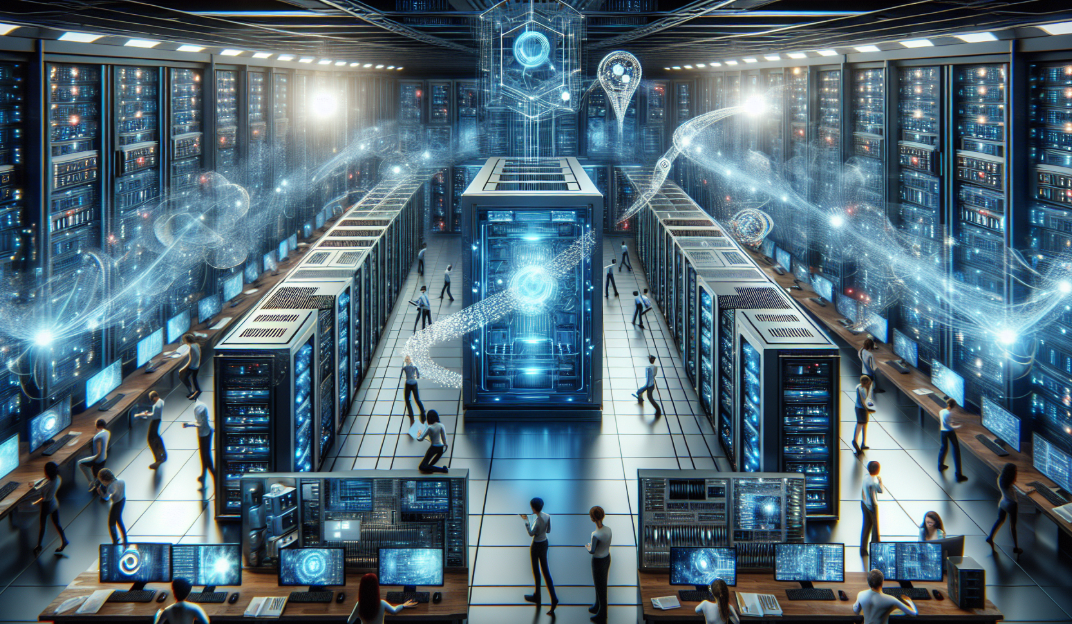
An IDC Internet Data Center is a centralized facility that houses computer systems, networking equipment, and storage solutions. Unlike traditional server rooms, IDCs are designed with high security, scalability, and redundancy in mind. These centers are equipped to handle large volumes of data, ensure uninterrupted connectivity, and provide a controlled environment for sensitive digital operations.
Key components of an IDC include:
- Servers: The core of the data center where computing processes occur.
- Storage Systems: High-capacity storage solutions to manage massive amounts of data.
- Networking Equipment: Routers, switches, and firewalls to maintain seamless connectivity.
- Power and Cooling Systems: Redundant power supplies and climate control to ensure continuous operation.
- Security Measures: Biometric access, surveillance, and cybersecurity protocols to protect data integrity.
See also: Why Gutter Cleaning Is Crucial for Home Maintenance and Safety
Importance of IDC Internet Data Centers
The demand for IDC Internet Data Centers is growing rapidly due to the exponential increase in digital data. Businesses, e-commerce platforms, financial institutions, and cloud service providers rely heavily on IDCs for:
- Data Security: With advanced security protocols, IDCs protect sensitive information from cyber threats.
- Business Continuity: Redundant systems and backup power supplies ensure operations remain uninterrupted.
- Scalability: Companies can scale their infrastructure according to demand without significant upfront investment.
- Optimized Performance: IDCs provide high-speed connectivity and low latency, which is critical for online services and applications.
- Cost Efficiency: Outsourcing data management to an IDC reduces the need for in-house infrastructure and maintenance.
Features of a Modern IDC Internet Data Center
Modern IDCs are more than just storage facilities. They are complex ecosystems designed to meet the highest standards of performance and reliability. Key features include:
- Tiered Architecture: Data centers are categorized into tiers based on their reliability and uptime, ensuring businesses can choose the level of redundancy they require.
- Green Technology: Many IDCs now integrate energy-efficient solutions to reduce environmental impact.
- Disaster Recovery: Comprehensive disaster recovery solutions ensure data is safe even during natural or technical emergencies.
- 24/7 Monitoring: Continuous surveillance of hardware, software, and network performance ensures smooth operations.
- Compliance Standards: IDCs adhere to international standards and certifications to meet regulatory requirements.
Advantages of Using an IDC
Utilizing an IDC Internet Data Center offers numerous benefits for businesses:
- Improved Data Management: Centralized data storage simplifies access, management, and analytics.
- Enhanced Security: Advanced cybersecurity measures protect against data breaches.
- Operational Efficiency: Reduced downtime and high system availability improve productivity.
- Flexibility: Ability to expand or reduce resources based on business needs.
- Cost Savings: Minimizes capital expenditure by reducing the need for internal infrastructure.
FAQs about IDC Internet Data Centers
Q1: What types of businesses need an IDC?
A: Any business that relies on large volumes of data, cloud services, or high-speed internet connectivity can benefit from an IDC. This includes e-commerce, finance, healthcare, and IT service providers.
Q2: How secure are IDCs?
A: IDCs implement multiple layers of security, including physical access control, surveillance, firewalls, encryption, and cybersecurity monitoring, making them highly secure.
Q3: Can small businesses use IDCs?
A: Yes, many IDCs offer scalable solutions tailored for small and medium-sized businesses, allowing them to access enterprise-grade infrastructure without large investments.
Q4: What is the difference between a traditional server room and an IDC?
A: Unlike traditional server rooms, IDCs provide redundant power, advanced cooling systems, high-speed connectivity, and enhanced security, ensuring greater reliability and performance.
Q5: How do IDCs support cloud services?
A: IDCs provide the physical infrastructure for cloud providers, enabling storage, computation, and networking for cloud-based applications and services.
Conclusion
In conclusion, the IDC Internet Data Center is a vital component of modern digital infrastructure. It not only provides secure and reliable data storage but also enhances operational efficiency, scalability, and business continuity. As data continues to grow exponentially, investing in or partnering with a high-quality IDC becomes increasingly critical for organizations of all sizes.